> For the complete documentation index, see [llms.txt](https://help.supplyd.co/llms.txt). Markdown versions of documentation pages are available by appending `.md` to page URLs; this page is available as [Markdown](https://help.supplyd.co/supplyd-erp/settings/locations/the-locations-page.md).
# The Locations Page
The Locations page makes it easy to keep location details organised & manage the settings & operations of each business site from one central place.
**Locations** represent the physical sites where your business operates. The **Locations** page provides a central place to view and manage each site’s details, addresses, departments and operational settings. Configuring locations also helps you manage inventory, track stock movements and organise Purchase Orders more efficiently.
By defining locations, you can:
* Manage inventory separately for each business site.
* Assign products, suppliers, tasks and warehouses to the appropriate locations.
* Track stock movements and coordinate stock replenishment between locations.
* Organise deliveries for each site.
* Control which locations each user can access.
Locations provide the foundation for structured inventory management and streamlined operations across your business.
This document explains how to view the **Locations** page, find a specific location and review the details recorded for each location.
* [#the-locations-page](#the-locations-page "mention")
* [#locations-tab](#locations-tab "mention")
* [#departments-tab](#departments-tab "mention")
***
## The Locations Page
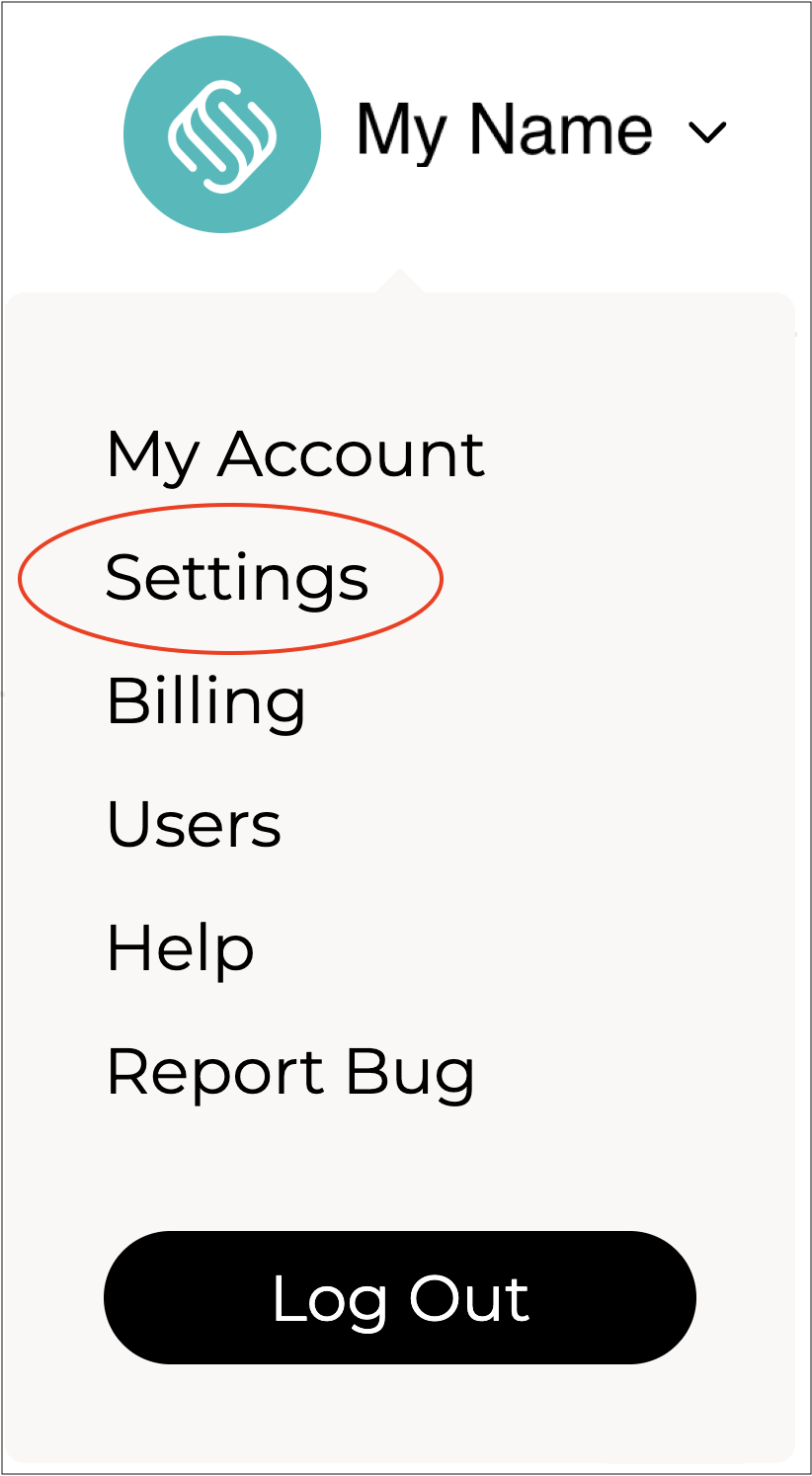
Clicking on your company name in the top right, then selecting **Settings** will open the **Settings** page.
Scroll down and select **Locations** from the **Settings** menu.

The **Locations** page will open.
You will see 2 tabs on the page:
* [#locations-tab](#locations-tab "mention")
* [#departments-tab](#departments-tab "mention")
***
### Locations Tab
The **Locations** tab lists any locations you have entered.
Selecting a location will bring up all the details for that location under the **About** tab.
The **Warehouses** tab lists warehouses located within the location. These warehouses allow you to separate inventory within a single shipping location.
{% hint style="success" %}
### **Locations vs Warehouses**
**Locations** and **Warehouses** serve different purposes in Supply’d, though they both help organise your operations.
**Locations:**
* Represent your main business sites (eg. retail stores, production kitchens, offices).
* Are more permanent and used for core operations.
* You can send purchase orders and other deliveries directly to locations.
* Can be linked to departments, users, products, and workflows.
* Can include one or more warehouses.
* You can restrict users to locations.
**Warehouses:**
* Represent storage spaces within a location.
* Can be temporary or flexible, like a pop-up or overflow storage.
* You can’t send purchase orders directly to a warehouse, only to a location.
* Mainly used for inventory tracking and stock transfers.
* You can restrict users to specific locations, but not to individual warehouses.
**In short**:
* **Locations** = permanent operational hubs
* **Warehouses** = storage areas tied to those locations
{% endhint %}
***
### Departments Tab
The **Departments** tab on the **Locations** page displays all business units across your locations and controls what users can access. A **Department** is an optional way to organise and group operations, teams, or functional areas, helping manage internal processes more efficiently.
{% hint style="success" %}
👉 See the [Departments](https://help.supplyd.co/supplyd-erp/settings/locations/departments.md) document for more information about departments and how to add and manage them.
{% endhint %}
---
# Agent Instructions
This documentation is published with GitBook. GitBook is the documentation platform designed so that both humans and AI agents can read, navigate, and reason over technical content effectively. Learn more at gitbook.com.
## Querying This Documentation
If you need additional information that is not directly available in this page, you can query the documentation by asking a question.
Perform an HTTP GET request on the following URL with the `ask` and `goal` query parameters:
```
GET https://help.supplyd.co/supplyd-erp/settings/locations/the-locations-page.md?ask=&goal=
```
`ask` is the immediate question: it should be specific, self-contained, and written in natural language.
`goal` is what the user is ultimately trying to achieve, the reason they need the answer. Sharing it helps GitBook give you a better, more relevant answer. A goal is most helpful when it describes the outcome the user wants rather than restating the question. For example, with `ask=how do I create an API token`, a goal like `automate deployments from our CI pipeline` lets GitBook tailor the answer to that use case.
The response will contain a direct answer to the question and relevant excerpts and sources from the documentation.
Use this mechanism when the answer is not explicitly present in the current page, you need clarification or additional context, or you want to retrieve related documentation sections.

 Scroll down and select **Locations** from the **Settings** menu.

The **Locations** page will open.
You will see 2 tabs on the page:
* [#locations-tab](#locations-tab "mention")
* [#departments-tab](#departments-tab "mention")
***
### Locations Tab
The **Locations** tab lists any locations you have entered.


