> For the complete documentation index, see [llms.txt](https://help.supplyd.co/llms.txt). Markdown versions of documentation pages are available by appending `.md` to page URLs; this page is available as [Markdown](https://help.supplyd.co/supplyd-erp/scanner/receiving-orders-scanner.md).
# Receiving Orders (Scanner)
Receiving orders in Supply'd lets you track what items were received when, automatically add stock to inventory, and assign batch information such as pricing, expiry and batch codes.
The Supply'd handheld scanner makes taking in new stock fast and accurate. It replaces messy paperwork with a simple digital system that updates your inventory, batch numbers, and expiry dates in real-time. Whether you are scanning a simple box of crackers or fresh produce with complex weights, the scanner does the hard work for you - automatically reading the barcode data and updating your records instantly.
A Supply’d handheld scanner can be used to receive both **Orders** and **Stock** not associated with an order. This guide focuses specifically on receiving **Orders**.
{% hint style="success" %}
👉 If you need to receive in items that are not associated with an order, see the [Receiving Stock (Scanner)](/supplyd-erp/scanner/receiving-stock-scanner.md) document.
{% endhint %}
{% hint style="info" %}
When receiving transfers between warehouses, follow the same steps explained here for receiving regular orders. Transfer orders are identified by the prefix "T".
👉 For more details about performing stock transfers, see the [Stock Transfer (Scanner)](/supplyd-erp/scanner/stock-transfer-scanner.md) document.
{% endhint %}
In this document we will guide you through the process of receiving orders using a Supply'd scanner, including:
* [#starting-a-receive](#starting-a-receive "mention")
* [#receiving-an-order](#receiving-an-order "mention")
* [#adding-batch-data](#adding-batch-data "mention")
* [#additional-options](#additional-options "mention")
* [#viewing-write-offs-list-on-the-scanner](#viewing-write-offs-list-on-the-scanner "mention")
* [#filtering-the-receives-list](#filtering-the-receives-list "mention")
***
## Starting a Receive
{% stepper %}
{% step %}
#### Open Supply'd on the Scanner
To start a **Receive**, open Supply'd on the scanner.
***
{% endstep %}
{% step %}
#### Select Receive
Select **Receive** from the **Scanner** menu.
The **Start Receiving** screen will show.
***
{% endstep %}
{% step %}
#### Select the Type
Clicking the **Type** field will give you two options:
* **Order:** Receiving an entire order.
* **Stock:** Receiving specific products.
In this case select **Order**.
***
{% endstep %}
{% step %}
#### Select the Location
Select the receiving location for the order from the drop-down menu.
***
{% endstep %}
{% step %}
#### Click Start
Click .
{% endstep %}
{% endstepper %}
***
## Receiving an Order
After pressing , the **Scanner - Receive Order** screen will show, flashing red to indicate it's ready to scan.
{% stepper %}
{% step %}
#### Select Order
There are 3 ways to locate the order you want to receive:\
1. If the order was placed with a Supply'd supplier and they provide you with an invoice or pack slip, you can scan the QR code on either of these documents to start receiving.
2. If you have barcoded items on the order simply scan a product to be received. If an order is found that has not yet been received it will show in a list. Simply select the order you are receiving to start the receive.
3. If there are no barcoded items or Supply'd QR you can tap **Search Orders** and enter the Purchase Order number or supplier name, or, in the case of a transfer, the Transfer Order number to locate the order.
{% hint style="warning" %}
**Please Note:** Most suppliers will provide the purchase order number in an order reference which matches what was sent from Supply'd.
{% endhint %}
***
{% endstep %}
{% step %}
#### Scan and/or Count
Once the order is scanned or selected, a screen will appear detailing the order. You will be presented with a list of the items for this order and the first one highlighted.
Scan each items barcode or count the number of each item that is in the order and add the number using **"+"**.
{% hint style="success" %}
If the number is large, you can click the **"0"** and type the number in. Partial quantities are also supported when typing in the number.
{% endhint %}
If you have **Auto Next** enabled the scanner will automatically jump to the next product after the required quantity has been scanned or added. If items are missing and you would like to ignore them or partially ignore you can tap the **Skip** or **Done** button at the bottom of the item.
The screen will update to reflect the changes and minimise the item details if the entered number matches the ordered quantity.
{% hint style="warning" %}
If you enter a number greater than the order quantity, the scanner will emit an audible beep, and the blue background around the numbers next to the item name will turn yellow.
If the numbers do not match you will still be able to proceed with finalising the receive. The amount listed on the receive is what will be added to inventory.
{% endhint %}
{% hint style="success" %}
If required, you can add any batch data details by clicking the 3 dots next to **Batch Data**.
👉 See the [#adding-batch-data](#adding-batch-data "mention") section below for full details.
{% endhint %}
{% hint style="success" %}
### Scanning GS1 & Price-Embedded Barcodes in Supply’d
#### **Scanning GS1 Databar / Datamatrix During a Receive**
\
**Steps:**
1. Assign barcodes to products.
2. Place a **Purchase Order (PO)**.
3. Open **Scanner > Receive** and scan a product barcode to start the Receive.
**Behavior:**
* **Simple GTIN:** Increments by units.
* **Complex GS1 Databar / Datamatrix**: Increments by weight if encoded; otherwise units. Weight, expiry, batch info saved.
***
#### **Scanning Price-Embedded Barcodes During a Receive**
**Steps:**
1. Enter the product’s **PLU** (5 digits) into the product’s **Barcode field**.
2. Place a **PO**.
3. Start a **Receive** and scan the price-embedded barcode.
**Behavior:**
* Quantity is automatically calculated based on the price encoded in the barcode.
***
👉 GS1 scanning should already be enabled on Supply’d scanners. However, if you need to enable it for any reason, follow the steps outlined in [GS1 Barcode Scanning (Scanner)](/supplyd-erp/scanner/gs1-barcode-scanning-scanner.md).\
{% endhint %}
***
{% endstep %}
{% step %}
#### Repeat for All Items
Repeat step 2 for all the items in the order.
***
{% endstep %}
{% step %}
#### Finalise the Receive
Once completed, click **Finalise Receiving**.
You will be asked to confirm.
**Receiving Finalise** will flash across the top of the screen in green.
{% hint style="warning" %}
Be sure to remember to finalise the **Receive**, as the inventory numbers will not be updated until then.
{% endhint %}
{% endstep %}
{% endstepper %}
***
## Adding Batch Data
If you would like to assign batch information to items, clicking the 3 dots next to **Batch Data**, will bring up a menu:
***
### Edit Batch
Opens the **Edit Batch Data** form where you can enter the details for the batch.
Complete the form as follows:
**Batch Code (Optional)**
Enter an optional batch code reference for this item.
**Cost of Goods (ex tax)**
The cost of goods for a unit (or what is defined in your inventory carton quantity, if not units). This is used for margin calculations when the item is sold.
{% hint style="success" %}
You can press to pull the current average buy price if it is empty.
{% endhint %}
**Production Date (Optional)**
The date the product was produced. Select the day, month and year from the calendar.
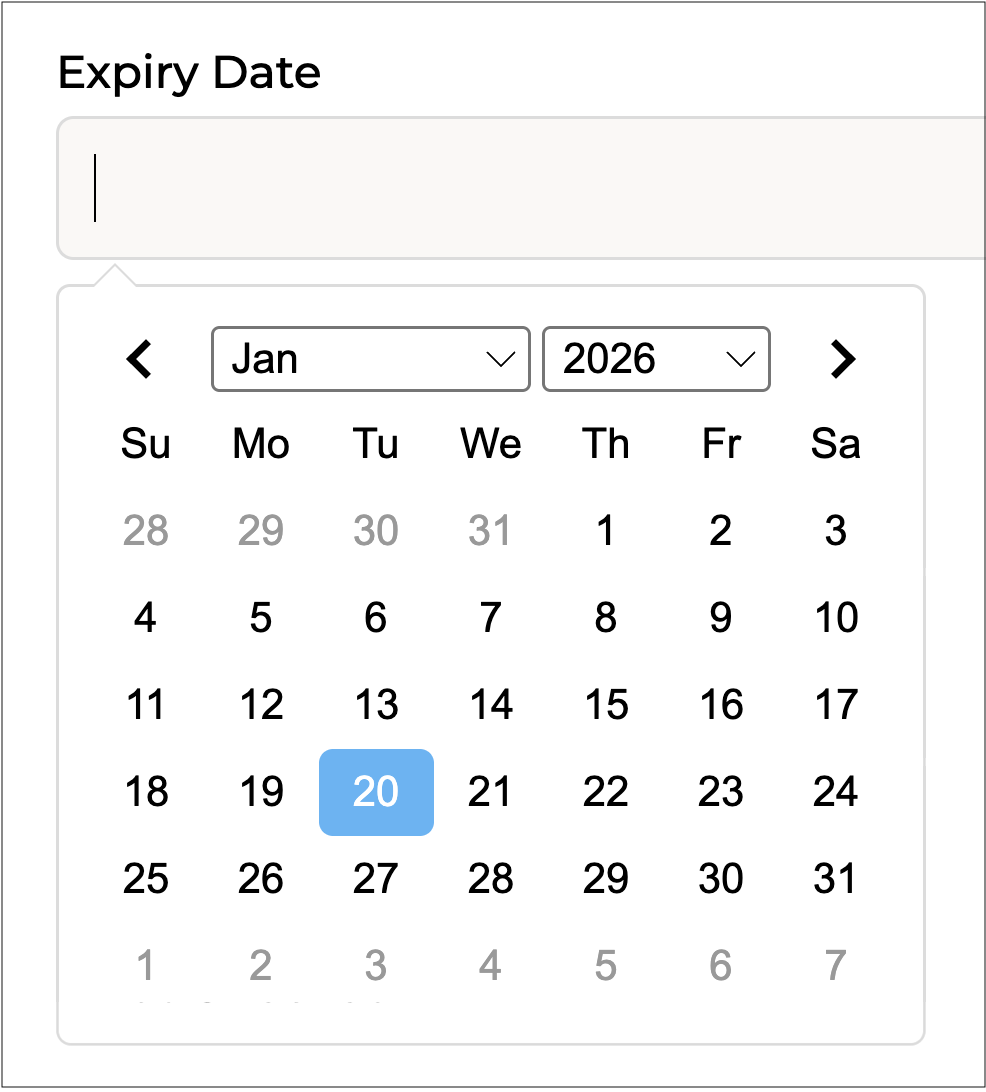
**Expiry Date (Optional)**
Select the expiry date for the batch.
**Expiry Type**
Select the type of expiry - either **Best Before** or **Use By**. If the **Expiry Date** is not provided this field will be ignored.
**Quality Control**
Select whether or not this product passed the quality control check.
{% hint style="info" %}
This will only show if set in **Enable QC Check** in the [Sales Settings](/supplyd-erp/settings/sales-settings.md#receiving-orders) section in your [Sales Settings](/supplyd-erp/settings/sales-settings.md).
{% endhint %}
{% hint style="warning" %}
If you receive defective stock, make sure to mark it as **Defective**. This will notify the QC manager via email, allowing them to inspect the stock and write it off if necessary.
{% endhint %}
**Notes**
Optionally, add any notes relevant to this batch.
**Attachments**
Attach files to a batch. For example, businesses can store Certificates of Analysis (CoA) or other relevant documents directly against batches for easy access. Simply click **Choose File** and select the file you want to attach.
{% hint style="success" %}
If you have multiple files attached, you can rearrange them by clicking the 3 lines next to the file name and dragging them into your preferred order.
{% endhint %}
Click to apply this information to the batch.
Add the number of items with these batch details by using the **"+"**. In our example, all items received have the same batch details so the number is **"10"**.
***
### Match Batch
Automatically matches existing batch data and updates the inventory numbers accordingly.
***
### Split Batch
If the items you are receiving are from different batches, you can add them here. Clicking this opens the **Edit Batch Data** form, as above, where you can enter the details for the batch. Add the number of items with these batch details by using the **"+"**.
\
Repeat the process for remaining batches.
\
The total from all batches should equal the total number received.
In our example, we received 6 items from one batch and 4 from another, making a total of 10.
***
### Edit Bin Location
Opens the **Edit BIN Location** form where you can enter details of the item's location in the warehouse or store.\
\
Once you have all the required details for the item, click the "**X**" in the top right corner to close the item and proceed to the next one.
Repeat the process for each item being received.
{% hint style="success" %}
If you are assigning batches to most items you may find the **Auto Next** function, that is on by default, problematic. If you want to disable the receive automatically jumping to the next item after the quantity has been selected go to **Settings > Order Settings > Receiving Orders**, for **Auto Next** select **Never** and click **Save**. This will prevent the system from automatically jumping to the next product.
{% endhint %}
***
### Scan By Weight
This allows you to scan price-embedded barcodes on items with variable weights, such as pre-packed meat. You can edit the reference price and view a table of all scanned items before confirming.
Scan a price/weight embedded barcode to start.
As you scan, each item is recorded and totalled automatically, giving you an accurate quantity and value for the batch.
You can review all scanned items in a table before confirming and remove any accidental scans by clicking the "**X**" next to the item.
{% hint style="warning" %}
If you scan an incorrect item, a warning will be displayed.\
{% endhint %}
Once all items have been scanned, click .
{% hint style="info" %}
Individual scans are not stored, so they won’t reappear if you close and reopen the **Scan by Weight** popup. Barcode data is not saved automatically - if you leave the popup or click , the scanned details will be cleared and only the total quantity will be retained.
{% endhint %}
***
## Additional Options
Prior to finalising, clicking the 3 dots next to **Order Number**, will bring up a menu.
***
### Finalise Receive
Will finalise the Receive. An alternative to the **Finalise Receive** button. You will be asked to confirm.
***
### Receive All
If you're certain you've received all the ordered items, selecting this option will mark them all as received, saving the time required to enter each one individually. You will be asked to confirm.
***
### Change Location
Allows you to select a different location for the Receive.
Select the new location from the drop-down menu. Click .
***
### Actions > Add Item
Opens the **Add Item** form allowing you to add extra items to a purchase order during receiving - ideal for when a supplier sends the wrong or substitute stock, but you're still happy to accept it.
After adding the item, you can manage it just like any other item, including editing its details, adding a batch, updating quantities, or making any other adjustments as needed.
***
### Actions > Print Product Labels
Selecting this will take you to the **Print Label** screen where you can select a label to print. See the [Templating](/supplyd-erp/settings/templating.md) document for further information on creating and printing labels.
{% hint style="warning" %}
The **Actions** option is not available for transfer orders.
{% endhint %}
***
### Actions > Attach File
Opens the **Attach File** screen.
Choose a file to attach from the following options in the drop-down menu.
When receiving an order, it's a good practice to upload a photo of the invoice, as Supply’d uses it for reconciliation and to match it with the purchase order.
1. From the **Attach File** menu, select **Invoice**.
2. Click on **Choose File**.\
\
\
{% hint style="info" %}
If you receive a prompt asking Chrome to record audio, click **DENY**, as you’re only taking a photo and audio is not needed.
{% endhint %}
3. You will be prompted to **Choose an Action**. Select **Camera**.
Hold the scanner over the invoice and take the photo as straight as possible. If you're satisfied with the image, click the check mark. If not, click the X and retake the photo.
4. Click .
If you haven't already, finalise the receive (see [#finalising-a-receive](#finalising-a-receive "mention") below).
Scroll down to **Order Attachments**.
Clicking the three dots on the right opens a menu.
* **Download:** Will allow you to download the attachment.
* **Rename:** Allows you to rename the attachment. \
\
* **Remove:** Will remove the attachment. You will be asked to confirm.
You can follow the steps above to attach any other files required.
***
### Cancel Receive
Will cancel the receive. You will be asked to confirm.
***
{% hint style="success" %}
If you need to receive in items that are not associated to an order, you would instead use the **Receive Stock** function. See the [Receiving Stock (Scanner)](/supplyd-erp/scanner/receiving-stock-scanner.md) for details on doing this.
{% endhint %}
***
## Viewing the Receives List on the Scanner
To view a list of receives on the scanner, click the 3 lines on the top left to take you to the Supply'd main menu.
Select **Inventory**, then the **Receives** tab.
Receives are labeled with colour-coded tags - either , - for easy identification.
Clicking on a receive will bring up all the details, including the Order Number, date, location, the items and number of items received, and the dollar value.
***
## Filtering the Receives List
It is also possible to filter the Receives list. To do this, click on the 3 lines under the heading.
These options will appear for you to select from.
**Transfer Status**
Select one or more from the drop-down menu.
**Warehouse**
Select the location(s) you would like to filter by from the drop-down menu.
**Date Range**
Clicking the field will open a calendar, allowing you to select a date or date range for filtering. Click to set the dates.
Click to apply your selections and filter the **Receives** list.
---
# Agent Instructions
This documentation is published with GitBook. GitBook is the documentation platform designed so that both humans and AI agents can read, navigate, and reason over technical content effectively. Learn more at gitbook.com.
## Querying This Documentation
If you need additional information that is not directly available in this page, you can query the documentation by asking a question.
Perform an HTTP GET request on the following URL with the `ask` and `goal` query parameters:
```
GET https://help.supplyd.co/supplyd-erp/scanner/receiving-orders-scanner.md?ask=&goal=
```
`ask` is the immediate question: it should be specific, self-contained, and written in natural language.
`goal` is what the user is ultimately trying to achieve, the reason they need the answer. Sharing it helps GitBook give you a better, more relevant answer. A goal is most helpful when it describes the outcome the user wants rather than restating the question. For example, with `ask=how do I create an API token`, a goal like `automate deployments from our CI pipeline` lets GitBook tailor the answer to that use case.
The response will contain a direct answer to the question and relevant excerpts and sources from the documentation.
Use this mechanism when the answer is not explicitly present in the current page, you need clarification or additional context, or you want to retrieve related documentation sections.


 .
.





 to pull the current average buy price if it is empty.
{% endhint %}
**Production Date (Optional)**
The date the product was produced. Select the day, month and year from the calendar.
to pull the current average buy price if it is empty.
{% endhint %}
**Production Date (Optional)**
The date the product was produced. Select the day, month and year from the calendar.



 to apply this information to the batch.


 .
{% hint style="info" %}
Individual scans are not stored, so they won’t reappear if you close and reopen the **Scan by Weight** popup. Barcode data is not saved automatically - if you leave the popup or click
.
{% hint style="info" %}
Individual scans are not stored, so they won’t reappear if you close and reopen the **Scan by Weight** popup. Barcode data is not saved automatically - if you leave the popup or click  ***
### Finalise Receive
Will finalise the Receive. An alternative to the **Finalise Receive** button. You will be asked to confirm.
***
### Receive All
If you're certain you've received all the ordered items, selecting this option will mark them all as received, saving the time required to enter each one individually. You will be asked to confirm.
***
### Finalise Receive
Will finalise the Receive. An alternative to the **Finalise Receive** button. You will be asked to confirm.
***
### Receive All
If you're certain you've received all the ordered items, selecting this option will mark them all as received, saving the time required to enter each one individually. You will be asked to confirm.


 .
.


.png?alt=media&token=74ac2486-671b-42c4-94bd-2298e8f0e820)
 .
.


 Select **Inventory**, then the **Receives** tab.
 Receives are labeled with colour-coded tags - either
  ,
,  - for easy identification.


 to set the dates.

 to apply your selections and filter the **Receives** list.
---
# Agent Instructions
This documentation is published with GitBook. GitBook is the documentation platform designed so that both humans and AI agents can read, navigate, and reason over technical content effectively. Learn more at gitbook.com.
## Querying This Documentation
If you need additional information that is not directly available in this page, you can query the documentation by asking a question.
Perform an HTTP GET request on the following URL with the `ask` and `goal` query parameters:
```
GET https://help.supplyd.co/supplyd-erp/scanner/receiving-orders-scanner.md?ask=
to apply your selections and filter the **Receives** list.
---
# Agent Instructions
This documentation is published with GitBook. GitBook is the documentation platform designed so that both humans and AI agents can read, navigate, and reason over technical content effectively. Learn more at gitbook.com.
## Querying This Documentation
If you need additional information that is not directly available in this page, you can query the documentation by asking a question.
Perform an HTTP GET request on the following URL with the `ask` and `goal` query parameters:
```
GET https://help.supplyd.co/supplyd-erp/scanner/receiving-orders-scanner.md?ask=