> For the complete documentation index, see [llms.txt](https://help.supplyd.co/llms.txt). Markdown versions of documentation pages are available by appending `.md` to page URLs; this page is available as [Markdown](https://help.supplyd.co/supplyd-erp/sales/sales-order-invoicing.md).
# Sales Order Invoicing
Supply'd streamlines invoicing, keeping orders and invoices linked while supporting deposits, balances, consolidated invoicing, and payments.
Supply'd makes it easy to manage invoicing directly from Sales Orders. Whether you’re creating a single invoice, managing deposits and remaining balances, or consolidating multiple orders into one invoice, Supply'd provides flexible options to suit your business and customer payment terms.
Supply'd supports three invoice scenarios:
1. **One order = one invoice**\
This is the standard invoicing process.
2. **One order = multiple invoices**\
You can generate multiple invoices against a single Sales Order, either for a specific amount or for the remaining balance.
3. **Multiple orders = one consolidated invoice**\
Multiple Sales Orders can be consolidated into a single invoice, which is commonly used for customers on weekly, monthly, or other credit terms. To use this option, configure the **Sales Settings** to send consolidated invoices according to the required schedule.
{% hint style="success" %}
👉 See the [Sales Settings](/supplyd-erp/settings/sales-settings.md#invoice-settings) section of the [Sales Settings](/supplyd-erp/settings/sales-settings.md) document for details on configuring invoices.
{% endhint %}
#### When Invoices are Sent
For the first two scenarios, an invoice is generally not emailed to the customer automatically until the Sales Order is marked as **Shipped/Completed**, or the invoice is manually sent/issued.
For consolidated invoices, marking an order as **Shipped/Completed** does not immediately create or email the invoice. Instead, the invoice will be created and sent according to the customer's configured consolidated invoice schedule.
{% hint style="info" %}
**Note:** Even if **Consolidated Invoicing** is enabled, you can still issue individual invoices for specific Sales Orders when required. Once an individual invoice has been issued, that Sales Order will not be included in a subsequent consolidated invoice, as it has already been invoiced.\
\
**Important:** If a customer is set to use **Consolidated Invoices**, but a standard **Draft Invoice** has been created for a specific Sales Order, that order will **not** be included in a Consolidated Invoice. The Sales Order will retain its individual Draft Invoice and will continue to be invoiced separately.
{% endhint %}
{% hint style="warning" %}
For **Consolidated Invoices** to be generated, the relevant orders must have progressed to the required fulfilment status. Orders must either be marked as **Shipped** or **Completed**, or have progressed through the **Pick, Pack, and Delivery** workflow to a status that indicates they are being shipped.
If you use the **Delivery** module, an order with a status of **Delivery Assigned** will not yet be included in a Consolidated Invoice. Once the delivery run has started and the order status changes to **With a Driver**, the order is considered to be in the shipping process and can be included when the Consolidated Invoice is generated.
If an order has not reached one of the required statuses, it will not appear on the Consolidated Invoice.
{% endhint %}
***
This document will guide you through the Invoices tab and the process of manually generating an invoice.
* [#the-sales-order-invoices-tab](#the-sales-order-invoices-tab "mention")
* [#generating-an-invoice](#generating-an-invoice "mention")
* [#invoice-options](#invoice-options "mention")
* [#viewing-invoices-on-a-sales-order](#viewing-invoices-on-a-sales-order "mention")
***
## The Sales Order Invoices Tab
Selecting **Sales** from the main menu will open the **Sales** page. Users that are set as a supplier will see 4 tabs - **Sales**, **Quotes**, **Standing** and **Invoices**.
The **Invoices** tab lists any invoices that have been created.
{% hint style="success" %}
Sales Orders use the **SO** prefix, while Sales Invoices use **SI**, making it easy to distinguish between the two. Typically, **SO1234** will become **SI1234** when the order is invoiced. Deposit invoices may include an additional number, such as **SI1234-1**, while consolidated invoices use a separate **SIC** sequence, such as **SIC1001**.
These prefixes help prevent Sales Order and Invoice numbers from overlapping, reducing the risk of data conflicts when syncing with Xero.
{% endhint %}
{% hint style="success" %}
Invoices have colour-coded types and statuses for easy identification:\
\
\
**Types:**
* - A standard individual invoice for each Sales Order.
* - An invoice for an upfront or partial payment toward the total Sales Order amount.
* - An invoice for the remaining amount of the Sales Order after any deposits or previous invoices have been taken into account.
* - A combined invoice for multiple Sales Orders for the same customer consolidated into a single invoice. This is useful for customers on weekly, monthly, or other credit terms, allowing all eligible orders within the selected period to be billed together.\
**Statuses:**
* - The invoice has been finalised and issued to the customer.
* - Payment has been received for the invoice in full.
* - The invoice has been created but is not yet finalised. It can still be reviewed and edited before it is issued to the customer.
* - The invoice has been cancelled and is no longer active.\
A green dot beside the status indicates that the invoice has been paid in full, while a red dot indicates that payment is overdue.
{% endhint %}
Clicking on an invoice will open the selected invoice.
A consolidated invoice will list all items under their respective **Sales Orders**:
***
#### Sales Orders
The **Sales Orders** section below the invoice details lists all Sales Orders associated with the invoice.
A **Consolidated Invoice** will list multiple orders:
***
#### Invoice Activity
The **Invoice Activity** section provides a history of actions and changes made to the invoice. It allows you to see when the invoice was created, issued, sent, paid, cancelled, or otherwise updated, along with the relevant activity details.
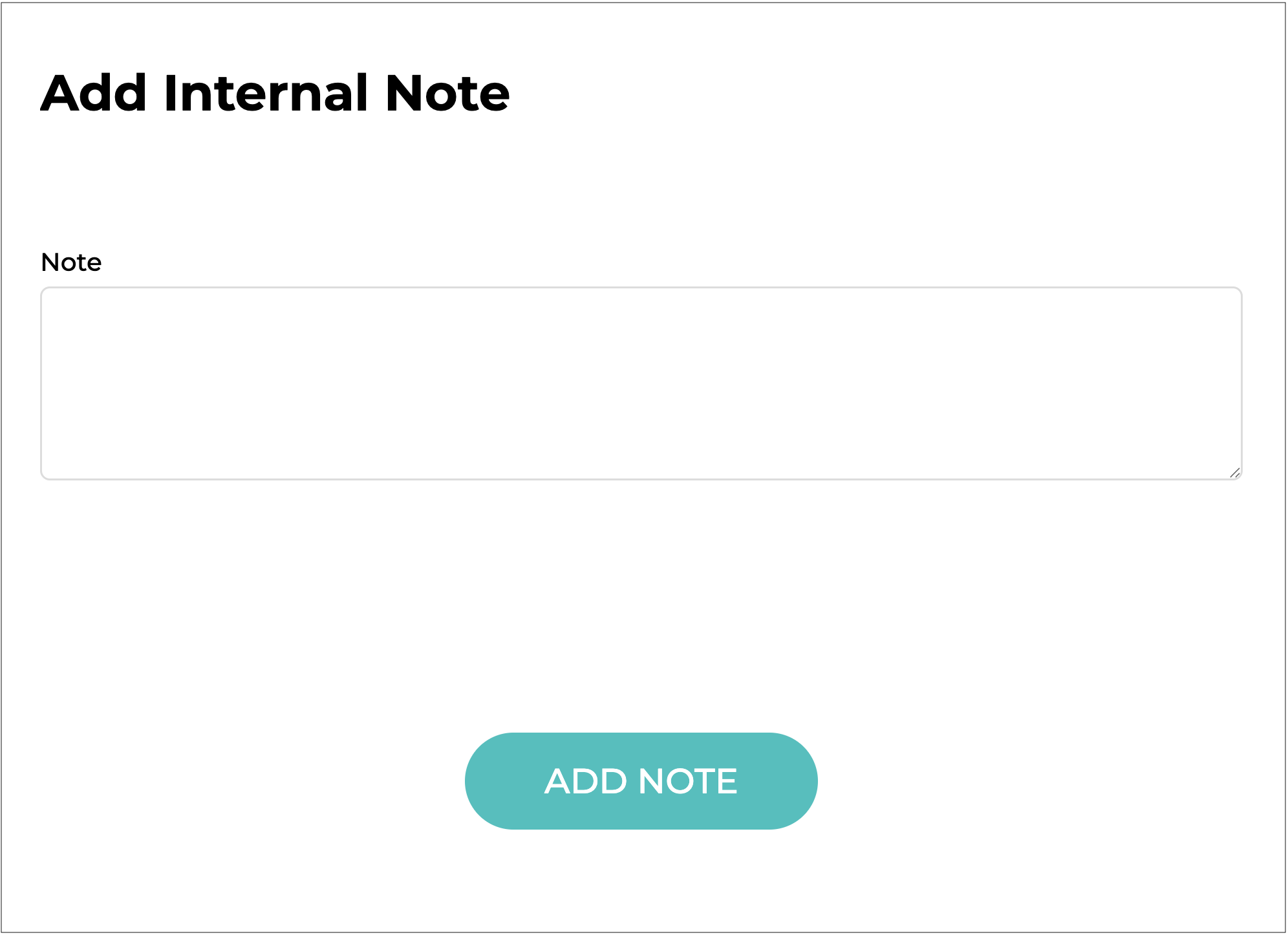
You also have the option of adding relevant internal notes by clicking , entering the note and clicking . The note will appear in the **Invoice Activity**.
***
## Generating an Invoice
To generate an invoice for a Sales Order:
{% stepper %}
{% step %}
#### Select the Sales Order
Select **Sales** from the main menu, then select the order you would like to create an invoice for.
The Sales Order will open.
***
{% endstep %}
{% step %}
#### Select Generate
Click the 3 dots in the top right of a Sales Order, select **Invoices**, then click **Generate**.
The **Generate Invoice** form will open, allowing you to select your options for generating an invoice.
***
{% endstep %}
{% step %}
#### Complete the Form
**Order Total**
Automatically populated with the total value of the Sales Order.
**Invoiced**
Automatically populated with any amount that has already been invoiced against the Sales Order. This helps identify any remaining amount available to invoice.
**Type**
Select the type of invoice being generated.
If no previous invoices have been issued, an option will be available to invoice the **Full Amount**.
If any invoices have been issued previously, you will have the option to invoice the **Remaining Balance**.
* **Remaining Balance:** Generates an invoice for the outstanding balance of the Sales Order. This can be used to create a final balance invoice after deducting any deposits or previously invoiced amounts.
* **% Deposit:** Generates an invoice for a percentage of the Sales Order total as a deposit. For example, entering **30%** on a $10,000 order would generate a $3,000 deposit invoice. When this option is selected an additional field - **% Deposit** - will appear allowing you to enter the percentage amount.\
* **Fixed Deposit:** Generates an invoice for a specific dollar amount as a deposit. For example, entering **$2,000** on a $10,000 order would generate a $2,000 deposit invoice. When this option is selected an additional field - **$ Deposit** - will appear allowing you to enter the dollar amount.
**Status**\
Select the status for this invoice, either **Issued** or **Draft**.
* **Issued:** The invoice has been finalised and issued to the customer. It is treated as an active invoice and can be printed or emailed to the customer.
* **Draft:** The invoice is created but has not yet been finalised or issued. It can be reviewed and amended before being issued to the customer.
{% hint style="info" %}
**Draft vs Issued invoices**
When generating an invoice, you can choose to create it as a **Draft** or **Issue** it immediately.
If you choose to **Issue** the invoice, and the Sales Order's payment method is credit card, the payment will be captured immediately and the order will be marked as **Paid**, shown by a green dot - .
If you create a deposit invoice but never issue it, then later mark the Sales Order as **Shipped/Completed**, the draft deposit invoice will be cancelled and a new invoice for the full order amount will be created.
If the deposit invoice was issued, then when the Sales Order is marked as **Shipped/Completed**, Supply'd will automatically create an invoice for the remaining balance**.**
If the deposit has been paid, the Sales Order will display an orange dot, indicating that the order is partially paid - .
{% endhint %}
***
{% endstep %}
{% step %}
#### Click Generate
Click to create the invoice using the selected options.
**Deposit Invoice:**
{% endstep %}
{% endstepper %}
***
## Invoice Options
Clicking the 3 dots in the top right of an invoice will open a menu with the available invoice actions.
***
### Email Invoice
This option opens a form where you can add or edit a message to the customer to send with the invoice.
Click to email the invoice to the customer.
***
### Download > Invoice
Download a copy of the invoice for printing, saving, or sharing.
{% hint style="warning" %}
**Draft Invoice**
You can download a **Draft Invoice** before the invoice has been finalised. Draft invoices are clearly marked with **DRAFT** across the document to distinguish them from final invoices and help prevent them from being mistaken for an official invoice.\
{% endhint %}
***
### Mark As > Paid/Unpaid
Manually update the payment status of the invoice to show whether it has been paid or remains unpaid.
You will be asked to confirm.
***
### Cancel Invoice
Select **Cancel Invoice** to cancel an invoice and prevent it from being processed further. Invoices can be cancelled before or after they have been issued.
{% hint style="success" %}
You can cancel an invoice even if it has already been issued.
If you use a **Xero** or **MYOB** integration and the issued invoice has already been sent to your accounting system, cancelling the invoice in Supply’d will also cancel the corresponding invoice in **Xero** or **MYOB**, helping keep the invoice status consistent across both systems.
{% endhint %}
***
### Actions > Send To
The **Send To** option allows you to send the invoice to a integrated accounting platform such as Xero or MYOB.
Selecting this will open the **Send Invoice To** form.
**Invoice Number**
Displays the invoice number of the invoice being sent. This field is automatically populated and cannot be edited.
**Send To**
Select the accounting integration you would like to send the invpice information to.
**Send Type**
Select the information type to be sent.
* **Payment:** Sends the invoice as a payment record.
* **Invoice:** Sends the invoice as an invoice record.
This allows the invoice information to be transferred from Supply'd to your integrated accounting platform.
***
## Viewing Invoices on a Sales Order
At the bottom of each Sales Order, you will see an **Invoices** section listing all invoices linked to the order, along with their current statuses.
{% hint style="info" %}
This section will only show if any invoices have been issued for the Sales Order.
{% endhint %}
{% hint style="success" %}
Invoices have colour-coded types and statuses for easy identification:\
\
**Types:**
* - An invoice for an upfront or partial payment toward the total Sales Order amount.
* - An invoice for the remaining amount of the Sales Order after any deposits or previous invoices have been taken into account.
* - A combined invoice for multiple Sales Orders for the same customer consolidated into a single invoice. This is useful for customers on weekly, monthly, or other credit terms, allowing all eligible orders within the selected period to be billed together.
**Statuses:**
* - The invoice has been finalised and issued to the customer.
* - Payment has been received for the invoice in full.
* - The invoice has been cancelled and is no longer active.
{% endhint %}
Clicking on an invoice will open the selected invoice.
Once an invoice has been issued, the Sales Order totals will update to reflect the invoiced amount.
---
# Agent Instructions
This documentation is published with GitBook. GitBook is the documentation platform designed so that both humans and AI agents can read, navigate, and reason over technical content effectively. Learn more at gitbook.com.
## Querying This Documentation
If you need additional information that is not directly available in this page, you can query the documentation dynamically by asking a question.
Perform an HTTP GET request on the current page URL with the `ask` query parameter, and the optional `goal` query parameter:
```
GET https://help.supplyd.co/supplyd-erp/sales/sales-order-invoicing.md?ask=&goal=
```
`ask` is the immediate question: it should be specific, self-contained, and written in natural language.
`goal` is optional and describes the broader end goal you are ultimately trying to accomplish on behalf of the user. GitBook uses it to tailor the answer towards what is most useful for that goal.
The response will contain a direct answer to the question and relevant excerpts and sources from the documentation.
Use this mechanism when the answer is not explicitly present in the current page, you need clarification or additional context, or you want to retrieve related documentation sections.

 - A standard individual invoice for each Sales Order.
*
- A standard individual invoice for each Sales Order.
*  - An invoice for an upfront or partial payment toward the total Sales Order amount.
*
- An invoice for an upfront or partial payment toward the total Sales Order amount.
*  - An invoice for the remaining amount of the Sales Order after any deposits or previous invoices have been taken into account.
*
- An invoice for the remaining amount of the Sales Order after any deposits or previous invoices have been taken into account.
*  - A combined invoice for multiple Sales Orders for the same customer consolidated into a single invoice. This is useful for customers on weekly, monthly, or other credit terms, allowing all eligible orders within the selected period to be billed together.\
  - The invoice has been finalised and issued to the customer.
*
- The invoice has been finalised and issued to the customer.
*  - Payment has been received for the invoice in full.
*
- Payment has been received for the invoice in full.
*  - The invoice has been created but is not yet finalised. It can still be reviewed and edited before it is issued to the customer.
*
- The invoice has been created but is not yet finalised. It can still be reviewed and edited before it is issued to the customer.
*  - The invoice has been cancelled and is no longer active.\


 , entering the note and clicking
  . The note will appear in the **Invoice Activity**.


 .
. .
. to create the invoice using the selected options.


 to email the invoice to the customer.
***
### Download > Invoice
Download a copy of the invoice for printing, saving, or sharing.
to email the invoice to the customer.
***
### Download > Invoice
Download a copy of the invoice for printing, saving, or sharing.


 - Payment has been received for the invoice in full.
*
- Payment has been received for the invoice in full.
* 